
Top Plumbers Near Me in New York, NY
LIVE PLUMBING AUDIT 2026
✓ Verified Pros
🛡️ PHCC & EPA DATA
Plumbing Hub: Detecting...
Verified Statistics
Reliability Score
A+
✓ Trusted Hub
Local Specialists
--
--
License & Credential Check
💧
Scan Local Plumbers
Real-time License Verification
Checking PHCC Database...
> Validating Master License...
> Insurance Verification...
Pro Trust Index
--
TOP RATED
Environmental Factors
Corrosion Risk: --
Hard Water: --
🔄 Last Data Sync: | 256-bit Encrypted Results
Plumbing Contractors: New York, NY


PLUMBING AUDIT 2026
Cost Estimator for Albuquerque
Estimated Fair Price
$265 - $340
Parts: $50
Labor: $250
✨ Based on 2026 local rates for Albuquerque
Local Plumbing Realities: New York, NY
2026 Pro Audit: Pricing, Pipe-bursts, and Scams.
What You're ACTUALLY Gonna Pay in New York (And Why It Hurts) ▼
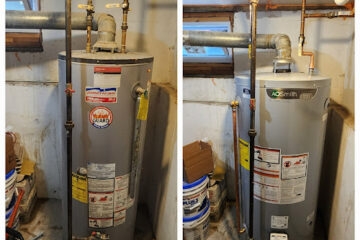
Look, I'm not gonna sugarcoat this. Plumbing in New York ain't cheap and it never will be. Service calls START at $175 if you're lucky - most reputable outfits in the five boroughs are charging $225-$300 just to roll up and diagnose your problem. That's BEFORE they touch a wrench. I've seen homeowners nearly faint when I hand them an estimate for a water heater replacement ($1,800-$4,000 installed, and that's if there's no surprises behind your walls). Here's the cold hard truth: between permits, insurance that costs us a FORTUNE in this city, union wages (which I support because trained plumbers deserve every penny), and the fact that parking a work van in Manhattan can cost $50 a day - yeah, it adds up. Hydro-jetting a main line? $450-$900 depending on access and how stubborn that clog is. Sump pump installation runs $800-$2,200. Tankless water heater? Try $3,200-$5,500 because the gas line work alone in these old brownstones is a nightmare. People always ask why the guy on Craigslist charges half - I'll get to THOSE cowboys in a minute.
Emergency Pipe Bursts: The 2AM Phone Call That'll Ruin Your Week ▼
Pipe bursts don't care about your schedule. They happen at 2AM on Christmas. I've seen it a THOUSAND times in my 25 years. New York winters are brutal - we're talking temps that drop to single digits, then bounce back up, then crash again. That freeze-thaw cycle MURDERS old galvanized pipes and even newer copper if it wasn't installed right. Here's what happens: water freezes, expands, cracks the pipe, then when it thaws - BOOM - you've got Niagara Falls in your ceiling. The damage? I pulled up floorboards last January in Astoria where a burst pipe ran for six hours before the tenant woke up. $47,000 in damages (not my bill, that's the restoration crew plus our emergency work). Emergency calls cost MORE - we're talking time-and-a-half or double-time rates, so that $225 service call becomes $400-$500 after midnight. But you know what costs more? Waiting until Monday morning while water destroys your electrical system, grows mold in your walls, and ruins everything you own. Shut off your main water valve FIRST (usually in the basement or by the street curb - know where yours is RIGHT NOW), then call a licensed plumber. Not your landlord's "guy." A REAL plumber.
The Reality of Finding ACTUAL Professionals (Not Just Guys With Vans) ▼
There's a labor shortage and it's getting worse. Real master plumbers who know codes, who've worked on everything from pre-war cast iron stacks to modern PEX systems - we're retiring and there ain't enough young blood learning the trade properly. You've got two types of plumbers showing up to New York jobs: licensed professionals with insurance and years of apprenticeship, and what I call "parts changers" who watched YouTube and bought a van. I've seen DANGEROUS hack jobs - mixing copper and galvanized without dielectric unions (causes electrolysis and leaks within months), venting water heaters into old chimneys that don't draft right (CARBON MONOXIDE POISONING, people), using SharkBite fittings for permanent installations behind walls (they're for TEMPORARY repairs). How do you tell the difference? - Ask for their license number and verify it with NYC Department of Buildings - Ask about permits (if they say "we don't need permits for this" for anything major, RUN) - Check if they're insured (get a certificate, not just their word) - Look at reviews, but ignore the perfect 5-star places with only 12 reviews (half of those are fake). A good plumber will have some 4-star reviews because we can't please everyone, but read what people ACTUALLY say about the work quality.
What Actually Goes Wrong in NYC Buildings (I've Seen Some STUFF) ▼
New York plumbing is different because these buildings are OLD and they're stacked with apartments. You've got issues other cities don't deal with. Main line backups are CONSTANT - tree roots from those beautiful street trees infiltrate clay sewer pipes that were installed when Teddy Roosevelt was president. I've hydro-jetted lines where the roots were thick as my arm. Then there's the shared stack problems - one idiot on the 6th floor flushing "flushable" wipes (THEY'RE NOT FLUSHABLE, throw them in the trash) causes a backup that floods the 3rd floor bathroom. P-traps that dry out in vacant apartments let sewer gas through. Old radiator systems that need new valves every winter. I pulled a water heater out of a basement last month that was original to 1987 - THIRTY-NINE YEARS OLD - and the owner was shocked it finally gave out. Here's what I see most: - Corroded galvanized pipes (if your building was built before 1960 and never repiped, you're on borrowed time) - Sump pump failures during heavy rain (and climate change is giving us MORE flooding events) - Water pressure issues because the PRV (pressure reducing valve) failed - Illegal washing machine hookups in buildings not designed for them - Boiler problems every fall when heat season starts. The reality? Most New York buildings need MORE plumbing work than owners want to pay for. They patch and pray until something catastrophic happens.
Permits, Codes, and Why Your Landlord's Guy Can't Just "Fix It Quick" ▼
NYC has STRICT plumbing codes and here's why that matters to you: if work is done without permits and something goes wrong, your insurance can DENY your claim. I've testified in court cases about this. When you're replacing a water heater, installing a new gas line, repiping a bathroom - you need permits and inspections. Period. Does it slow things down? Yeah. Does it cost more? A couple hundred bucks usually. But it means the work is DOCUMENTED and done to code. I can't tell you how many times I've been called to "just fix" something another guy installed illegally, and I have to tell the owner we need to rip it all out and start over. That "$800 water heater install" from the unlicensed guy becomes a $3,500 job when I have to bring it up to code, get permits, and fix the gas line that wasn't done right. The Building Department isn't messing around anymore either - they're cracking down on illegal work. Your landlord's "guy" who does everything for cash? He's not pulling permits, he's not insured, and when that water heater he installed floods your apartment or worse - when improper venting KILLS someone with carbon monoxide - you're gonna wish you'd hired a licensed plumber. I know everyone wants to save money in this expensive city. But not on GAS LINES and not on anything that can KILL you or destroy your home.
How to Not Get Ripped Off (From Someone Who's Seen Every Scam) ▼
Alright, real talk about scammers and ripoff artists. They LOVE emergency situations because you're panicked. Here's the games they play: - The bait-and-switch ("$99 service call!" but then everything requires "emergency" parts that cost 500% markup) - The catastrophizer ("Your ENTIRE system needs replacing" when you just need a $40 valve) - The ghost (takes your deposit, never comes back) - The upseller ("While I'm here, I noticed..." and suddenly you need $8,000 in work). How do you protect yourself? Get MULTIPLE estimates for big jobs. Not for emergencies (you don't have time), but for planned work like water heater replacement or bathroom renovations. A detailed written estimate should include: labor costs, materials (specific brands and models), permit fees, timeline, and payment schedule. NEVER pay the full amount upfront - standard is 10-30% deposit, progress payments, and final payment on completion. I've been doing this 25 years in New York and my estimates are detailed because I respect my customers. If a plumber can't explain what they're doing and why, or if they pressure you to decide RIGHT NOW - that's a red flag the size of Manhattan. Also (and this bugs me), just because someone charges LESS doesn't mean you're getting a deal. That $1,200 water heater install might cost you $5,000 in water damage next year when it leaks because it wasn't installed properly. You're not buying a TV on Amazon - you're hiring expertise and insurance and someone who'll stand behind their work.
What You Can Do RIGHT NOW (Before You Need Me at 2AM) ▼
Prevention. That's the word nobody wants to hear but everybody needs to practice. Here's your homework: Know where your main water shutoff is and TEST IT - I've responded to emergencies where the valve was seized and wouldn't turn. If that happens, you need a plumber AND potentially the city to shut off water at the street. Insulate exposed pipes in unheated areas (I can't believe how many basement pipes in Queens have zero insulation). During cold snaps below 20°F, let faucets drip slightly on outside walls - moving water doesn't freeze as easily. Get your water heater FLUSHED every year or two (sediment buildup kills efficiency and shortens lifespan). If you've got a sump pump, TEST IT before storm season - pour water in the pit and make sure it kicks on. Replace the P-trap washers under sinks if they're leaking (it's a $3 part you can do yourself). Don't put GREASE down your drains (it solidifies in pipes and causes clogs). Don't flush anything except toilet paper and human waste - not wipes, not feminine products, not dental floss. Here's the thing: a $200 maintenance visit NOW can prevent a $5,000 emergency LATER. I'd rather see you for routine work than emergency disasters, honest to God. But most people don't call until water is shooting out of their walls. Be smarter than that. This is New York - we deal with old infrastructure, harsh weather, and high costs. The best way to handle it is to MAINTAIN your plumbing and have a relationship with a good licensed plumber BEFORE you need one desperately. Keep their number in your phone. Because at 2AM when that pipe bursts, you don't want to be googling plumbers and hoping for the best.
New York
Los Angeles
Chicago
Houston
Phoenix
Philadelphia
San Antonio
San Diego
Dallas
San Jose
Austin
Jacksonville
Fort Worth
San Francisco
Seattle
Denver
Washington
Oklahoma City
El Paso
Boston
Las Vegas
Detroit
Louisville
Portland
Memphis
Baltimore
Milwaukee
Albuquerque
Tucson
Fresno
Sacramento
Mesa
Atlanta
Kansas City
Colorado Springs
Raleigh
Miami
Omaha
Long Beach
Virginia Beach
Oakland
Minneapolis
Tampa
Orlando
Charlotte
Indianapolis
Columbus
Nashville