
Top Plumbers Near Me in Washington, DC
LIVE PLUMBING AUDIT 2026
✓ Verified Pros
🛡️ PHCC & EPA DATA
Plumbing Hub: Detecting...
Verified Statistics
Reliability Score
A+
✓ Trusted Hub
Local Specialists
--
--
License & Credential Check
💧
Scan Local Plumbers
Real-time License Verification
Checking PHCC Database...
> Validating Master License...
> Insurance Verification...
Pro Trust Index
--
TOP RATED
Environmental Factors
Corrosion Risk: --
Hard Water: --
🔄 Last Data Sync: | 256-bit Encrypted Results
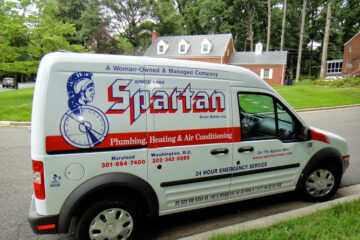
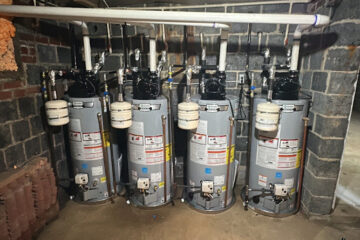
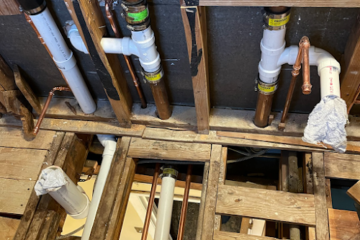
Plumbing Contractors: Washington, DC


PLUMBING AUDIT 2026
Cost Estimator for Albuquerque
Estimated Fair Price
$265 - $340
Parts: $50
Labor: $250
✨ Based on 2026 local rates for Albuquerque
Local Plumbing Realities: Washington, DC
2026 Pro Audit: Pricing, Pipe-bursts, and Scams.
What You're Actually Gonna Pay in DC (2026 Reality Check) ▼
Look, I'm not gonna sugarcoat this. Service calls in Washington, DC will run you $175-$300 just to get someone to show up at your door. That's BEFORE any wrench even touches your pipes. Emergency calls after 5pm or weekends? Tack on another $100-$200 easy. I've seen homeowners nearly faint when I hand them the estimate, but here's the thing - you're paying for 25 years of knowledge, a stocked truck, insurance, and licensing. Those "discount" guys on Craigslist charging $75? They're gonna create problems that'll cost you three times as much to fix later (seen it a thousand times). Water heater replacement ranges $1,800-$4,000 depending on if you're going traditional tank or tankless. Hydro-jetting your main line because tree roots invaded? That's $450-$900. Sump pump installation runs $800-$1,500. Toilet replacement is $300-$600 including the fixture. Kitchen sink P-trap replacement might only be $150-$250, but if that drain line is cast iron from 1952 and it's rotted through? Brother, we're talking $2,000-$5,000 to replace sections. DC ain't cheap, and neither is proper plumbing work.
The DC Climate Factor Nobody Talks About ▼
Washington's weather is a BEAST on your plumbing system. We get those humid summers that make everything sweat and corrode faster than you'd think. Then winter hits - and yeah, we don't get Chicago-level cold, but those nights dipping into the teens? That's when I get 40 calls in one morning about burst pipes. Here's the cold hard truth: DC's freeze-thaw cycles are BRUTAL because homeowners don't expect them. Your exterior hose bibs, crawl space pipes, and anything running through exterior walls is vulnerable. I've crawled under rowhouses in Georgetown where pipes from the 1890s are still somehow functioning (barely) until one February night turns them into fountains. The humidity also accelerates corrosion on your water heater - that 10-year warranty? In DC you're lucky to get 8 years before the tank bottom rusts through. And don't even get me started on what our clay-heavy soil does to sewer lines. Tree roots from those beautiful old oaks everyone loves? They're HUNTING for your main line 24/7, especially during our dry spells when they're desperate for water.
Emergency Pipe Bursts - The 3am Nightmare ▼
Pipe bursts don't wait for convenient timing. It's always 3am on Christmas or when you're on vacation. ALWAYS. The water's shooting sideways out of your ceiling, you're standing there in pajamas with pots and towels, and you're panicking. First thing - shut off your main water valve (you DO know where that is, right?). Most DC homes have it in the basement near the front wall or sometimes in a sidewalk vault outside. Can't find it? You're gonna have thousands in water damage while you search. I've seen burst pipes dump 400 gallons in an hour. That's ruined hardwood floors, destroyed drywall, and hello MOLD problems. Once you've stopped the water, get a plumber out IMMEDIATELY - yeah, you'll pay emergency rates but water damage remediation costs $3,000-$15,000 easy. Way more than the $500-$800 emergency pipe repair. Common burst locations in DC homes: copper pipes in exterior walls (frozen), old galvanized steel that finally corroded through (common in pre-1960 houses), and washing machine supply lines that just... give up after 15 years of pressure. Pro move? Take photos immediately for insurance. Document EVERYTHING before we start repairs.
The Cowboy Plumber Problem in DC ▼
Here's what keeps me up at night - the amount of UNLICENSED HACKS working in this city. DC requires Master Plumber licenses, but enforcement is a joke. I've walked into jobs where some "handyman" installed a water heater with the T&P valve draining into a bucket (DANGEROUS AS HELL - those things can explode), used PVC where code requires copper, or cross-connected potable water with drain lines (yeah, that's as disgusting as it sounds). These cowboys charge half my rate and homeowners think they're getting a deal. Then six months later I'm ripping everything out because it's flooding or violating code and the sale can't go through. Look, I get it - plumbing is EXPENSIVE. But you're paying for work that won't kill you or flood your neighbor's $900,000 rowhouse below you. Check licenses. Ask for insurance certificates. If they say "I can do it without permits" - RUN. Permits exist because buildings have burned down, people have died from gas leaks, and sewage has backed up into drinking water. This isn't paranoia, this is history. Washington DC has specific codes (we follow IPC mostly) and there's ZERO shortcuts that are worth taking.
What's Actually Breaking in DC Homes Right Now ▼
I'm in 4-5 houses every day, and I see patterns. Cast iron drain stacks in houses built 1920s-1960s? They're failing EVERYWHERE. That stack runs from your basement up through the roof, and when it corrodes through (which it will), you've got sewage leaking inside your walls. Replacement is $5,000-$15,000 depending on access. Polybutylene pipes from 1980s-1990s - if you've got those gray plastic pipes, they're ticking time bombs. They get brittle and burst without warning. Whole-house repiping runs $8,000-$15,000. Main line sewer problems are HUGE in DC because of those old clay pipes and tree roots - I'm hydro-jetting lines weekly and recommending $6,000-$12,000 line replacements constantly. Tankless water heaters are trendy now (and I install plenty), but here's what the internet won't tell you: our DC water is moderately hard, and without proper maintenance, those heat exchangers scale up and die in 5 years. You need annual descaling service ($150-$200) or you've wasted $3,500 on a unit that should last 20 years. Sump pumps fail during our heaviest rains (Murphy's Law) - if you've got a basement in DC, you NEED a battery backup system, not just the basic pump.
How to Actually Find a Legit Plumber in This City ▼
The labor shortage is REAL. Good plumbers are booked out 1-2 weeks for non-emergencies because nobody's entering the trades anymore. Everyone wants to code apps, nobody wants to fix toilets at 2am. Can't blame them entirely (the work's hard), but it means finding quality help is tough. Here's my advice after watching this industry for 25 years: Don't just Google and pick the top ad - those guys are spending $50,000/month on marketing, and you're paying for that in inflated prices. Ask your neighbors who they use (especially in your specific DC neighborhood - a plumber familiar with Petworth rowhouses understands those systems differently than someone who works Foxhall estates). Check DC Department of Consumer and Regulatory Affairs for license verification - takes 5 minutes online. Read reviews, but IGNORE the extremes - the 1-star reviews are usually people mad about pricing reality, and 5-star reviews can be faked. Look for detailed 3-4 star reviews from real humans. Get THREE estimates for big jobs (not for emergencies, obviously - you don't have time). Ask specifically: "Are you licensed in DC? Are you insured? Will you pull permits?" If they hesitate on ANY of those - next caller. And here's a secret: good plumbers are neat. If someone shows up with a disaster truck full of junk and no organization, their work quality matches that chaos.
The Stuff I Wish Every DC Homeowner Knew ▼
Prevention is SO MUCH CHEAPER than emergency repairs. Gonna hit you with reality: Annual water heater flush ($120-$150) adds 3-5 years to tank life. That's $2,500 in replacement costs delayed. Main line camera inspection every 5 years ($300-$400) catches root intrusion before it becomes a $8,000 crisis. Shut-off valve maintenance - when's the last time you turned your main valve? If it's been 10 years, it might be seized, and during an emergency it won't budge (I've had to cut them out while water's gushing). Turn it off and back on twice a year. Know where your sewer cleanout is - that access point in your yard or basement saves you $200-$400 in labor when there's a backup. Don't put ANYTHING down your garbage disposal except soft food scraps - no grease, no coffee grounds, no "flushable" wipes (NOTHING IS TRULY FLUSHABLE EXCEPT TOILET PAPER). I've pulled everything from wedding rings to toy cars to entire dish rags from pipes. Replace washing machine hoses every 5 years ($30 DIY cost versus $3,000 in water damage). And for the love of everything, if you smell gas, GET OUT and call Washington Gas - don't flip light switches, don't look for the leak yourself with a lighter (YES, people have done this). I've been doing this 25 years in DC, and the homeowners who spend $300/year on maintenance NEVER see me for $5,000 emergencies. That's not coincidence, that's physics and decay rates.
New York
Los Angeles
Chicago
Houston
Phoenix
Philadelphia
San Antonio
San Diego
Dallas
San Jose
Austin
Jacksonville
Fort Worth
San Francisco
Seattle
Denver
Washington
Oklahoma City
El Paso
Boston
Las Vegas
Detroit
Louisville
Portland
Memphis
Baltimore
Milwaukee
Albuquerque
Tucson
Fresno
Sacramento
Mesa
Atlanta
Kansas City
Colorado Springs
Raleigh
Miami
Omaha
Long Beach
Virginia Beach
Oakland
Minneapolis
Tampa
Orlando
Charlotte
Indianapolis
Columbus
Nashville