
Top Plumbers Near Me in Oklahoma City, OK
LIVE PLUMBING AUDIT 2026
✓ Verified Pros
🛡️ PHCC & EPA DATA
Plumbing Hub: Detecting...
Verified Statistics
Reliability Score
A+
✓ Trusted Hub
Local Specialists
--
--
License & Credential Check
💧
Scan Local Plumbers
Real-time License Verification
Checking PHCC Database...
> Validating Master License...
> Insurance Verification...
Pro Trust Index
--
TOP RATED
Environmental Factors
Corrosion Risk: --
Hard Water: --
🔄 Last Data Sync: | 256-bit Encrypted Results
Plumbing Contractors: Oklahoma City, OK

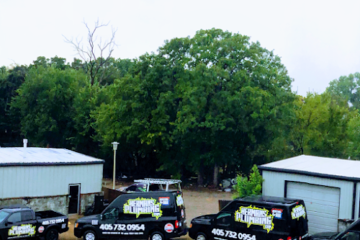


PLUMBING AUDIT 2026
Cost Estimator for Albuquerque
Estimated Fair Price
$265 - $340
Parts: $50
Labor: $250
✨ Based on 2026 local rates for Albuquerque
Local Plumbing Realities: Oklahoma City, OK
2026 Pro Audit: Pricing, Pipe-bursts, and Scams.
What You're ACTUALLY Gonna Pay in OKC (2026 Reality Check) ▼
Look, I'm not gonna sugarcoat this. Service calls in Oklahoma City run $175-$300 just to get a licensed plumber to show up at your door. That's before we even touch a wrench. I've seen homeowners go white when I hand them the estimate, but here's the cold hard truth - that rate covers our truck, insurance (which is INSANE right now), tools worth $15k+, and 25 years of me knowing the difference between a quick fix and a disaster waiting to happen.
Water heater replacement? You're looking at $1,800-$4,000 depending on whether you want a standard 50-gallon tank or you're going tankless (which I actually recommend for OKC's hard water). Drain cleaning with a snake - maybe $200-$350. But if your main line is clogged and we need hydro-jetting equipment? That's $500-$900 easy. Sewer line replacement can hit $3,500-$15,000 depending on how deep we gotta dig and whether tree roots have turned your pipes into Swiss cheese.
Repiping a whole house (and trust me, if you've got polybutylene pipes from the 80s, you NEED this done) - $4,500-$15,000. Sump pump installation runs $800-$2,500. These aren't prices I pulled from thin air. This is what it costs to do it RIGHT in 2026 with proper permits, code compliance, and materials that won't fail in three years.
The Oklahoma City Climate Will DESTROY Your Pipes (If You Let It) ▼
Here's what nobody tells you about plumbing in OKC - our weather is absolutely BRUTAL on pipe systems. We get ice storms that drop temps into the teens, then two weeks later it's 75 degrees. That expansion and contraction? It's murdering your pipes slowly.
I've seen more burst pipes in February than any other month. Homeowners don't insulate their exterior hose bibs (those outdoor faucets), don't wrap their pipes in crawl spaces, and then act shocked when a hard freeze hits and they've got water shooting everywhere. Cost of a burst pipe emergency? $500-$3,000 depending on damage and whether it's 2 AM on Christmas (yeah, that's double-time, and you're gonna pay it).
The red clay soil we've got here - it shifts. It expands when wet, contracts when dry. Your sewer lines are taking a beating underground and you don't even know it until you've got sewage backing up into your tub. I pulled a main line last month that had separated at the joints by three inches. THREE INCHES. The homeowner had no idea until it was a full-blown emergency.
Hard water is another silent killer in OKC. Our water has so many minerals it'll calcify your pipes, destroy water heater elements, and turn your fixtures crusty. Tankless water heaters need descaling every year here (that's $150-$250 for the service) or they'll fail before their time.
Emergency Pipe Bursts - The 3 AM Phone Calls I Get Every Winter ▼
You know what I'm doing when your pipe bursts at 3 AM? I'm getting dressed and heading to your house, that's what. Because water doesn't wait for business hours.
First thing - SHUT OFF YOUR MAIN WATER VALVE. I can't tell you how many times I've arrived to a house with water still running because nobody knew where the shutoff was. It's usually near your water meter or where the main line enters the house. Find it NOW, before you need it. Tag it. Show your spouse. Show your teenager.
A burst pipe can dump 400+ gallons per hour into your house. That's catastrophic damage in minutes (not hours). Drywall, flooring, furniture - all ruined. I've seen $40,000 insurance claims from a pipe that burst while people were at work for six hours.
Emergency rates in OKC? You're paying $250-$450 just for us to show up after hours. Then it's typically 1.5x to 2x normal rates for the actual work. Is it expensive? Yes. Is it cheaper than letting your house flood? ABSOLUTELY.
Common burst locations: washing machine supply lines (those rubber ones fail after 5-7 years - replace them with braided stainless steel), water heater connections, exterior wall pipes that aren't insulated, and old galvanized pipes that have corroded from the inside out. If your house was built before 1985 and you've still got original plumbing, you're living on borrowed time.
How to Spot a COWBOY Plumber (They're Everywhere in OKC) ▼
The labor shortage is real, and it's brought every hack with a pipe wrench out of the woodwork. I've seen more botched jobs in the last three years than the previous twenty combined.
Red flags that scream 'RUN AWAY' - guy shows up in an unmarked vehicle with out-of-state plates. No business name on the truck. Can't produce a valid Oklahoma plumbing license when you ask (and you SHOULD ask). Wants cash only. Gives you a price that's 40% lower than everyone else (you get what you pay for, and what you're getting is a future disaster).
I've repaired so many DIY and cowboy plumber disasters. Wrong pipe materials, no permits pulled (which means your insurance might not cover damage), P-traps installed backwards (yes, really), water heaters vented improperly (that's a CARBON MONOXIDE death trap), and drain lines with negative slope so water just sits there breeding bacteria.
Legit plumbers in OKC will have: Oklahoma license number (starts with 'ML' for master, 'JL' for journeyman), insurance certificates they can show you, actual business with verifiable reviews, and they'll pull permits for major work. We'll also explain what we're doing and why - because a real pro wants you to understand the system.
The shortage means good plumbers are BOOKED. If someone can come out same-day for non-emergency work and their price seems too good to be true? It probably is. I'm usually scheduling 3-7 days out for standard jobs. Emergency work is different - we make time for true emergencies.
What Actually Counts as a Plumbing Emergency (Spoiler: Your Slow Drain Doesn't) ▼
Look, I get calls every week from people claiming they have an 'emergency' and it's a toilet that's been running for three months or a drip they've been ignoring since last summer. That's not an emergency. That's neglect.
REAL emergencies - active water gushing from a burst pipe, sewage backing up into your living space, no water to the entire house, gas smell near water heater or gas lines (GET OUT AND CALL THE FIRE DEPARTMENT FIRST), or a water heater actively leaking and flooding.
Those situations? I'm coming now. I'm bringing my emergency kit and we're stopping the damage immediately.
Everything else can wait for normal business hours. Your kitchen sink draining slowly? That's a Tuesday appointment. Toilet running? You can shut off the angle stop valve yourself (that little valve behind the toilet) and wait until tomorrow. Dripping faucet? Annoying, yes. Emergency, no. Put a bucket under it and schedule properly.
Here's why this matters - emergency rates are 1.5x to 2x normal pricing. You're paying premium for immediate response. I've had people pay $800 for an after-hours service call that would've cost $350 during the day. Same exact work. If you can safely shut off water to the problem area and wait, you'll save serious money.
But don't be penny-wise and pound-foolish either. I've seen people ignore a 'small' leak for weeks trying to avoid the service call fee, then end up with $8,000 in mold remediation. If water is touching something it shouldn't be touching, that's damage happening in real-time.
The Main Line Horror Stories (And Why Camera Inspections Are Worth Every Penny) ▼
Your main sewer line - that's the pipe carrying all your waste from the house to the city connection or septic tank. When it fails, EVERYTHING backs up. Toilets, showers, sinks. I've been in houses where sewage was coming up through the tub drain. The smell alone will haunt you.
OKC's got a lot of older neighborhoods (Crown Heights, Mesta Park, Paseo) with cast iron or clay sewer lines from the 1940s-60s. Those pipes are at end-of-life. Tree roots infiltrate through the joints (our Oklahoma elms and oaks have aggressive root systems), the pipes crack from soil movement, or they've just corroded away.
Camera inspection costs $200-$400, and it's the ONLY way to know what's actually happening underground. I run a camera line down your drain and we watch on a monitor together - I can see roots, cracks, bellies (low spots where water pools), offsets, and complete collapses. It takes the guesswork out.
Had a house in Nichols Hills last year - homeowner kept having backups every few months, would call a cheap service to snake it out for $150, and it'd work for six weeks then fail again. Finally called me, I ran a camera, and their main line had a belly with 15 feet of root intrusion. We did hydro-jetting ($750) to clear it properly, but I told them straight - this line needs replacement within two years or you'll have a collapse. That's a $6,500-$12,000 job depending on access.
They weren't happy about the news, but at least they could budget for it instead of coming home to a yard full of sewage one day. That's the value of diagnostic work done right.
Maintenance Nobody Does (Until It's Too Late and Costs 10x More) ▼
I'm gonna give you the maintenance schedule that'll save you thousands. Nobody does this stuff until something breaks, then they're shocked at the repair bill.
Water heater - flush it YEARLY. Our OKC hard water dumps sediment at the bottom, reduces efficiency, and shortens the tank life. DIY it (YouTube has videos) or pay me $125 to do it. Your water heater should last 10-12 years with proper maintenance; I've seen neglected ones fail at year 6. That's a $2,500 replacement you could've delayed.
Replace washing machine hoses every 5 years. Those rubber ones dry rot. I've seen them burst and dump hundreds of gallons before anyone noticed. Braided stainless steel hoses are $25-40 at any hardware store. Install them yourself or I'll do it in 15 minutes during another service call.
Test your pressure relief valve on the water heater annually. It's that valve on the side with the discharge pipe. Lift the lever, let some water flow, release. If it doesn't flow or won't stop flowing afterward, it needs replacement (that's a $150-250 service call, but it prevents explosions - yes, water heaters can EXPLODE if that valve fails).
Have your main sewer line camera inspected every 3-5 years if your house is over 30 years old. Preventive diagnosis beats emergency excavation. Clean your gutters - seems unrelated, but water pooling around your foundation leads to basement seepage and sump pump failures.
Install a water leak detection system if you've got a crawl space or finished basement. $200-500 investment that'll alert you to leaks before they become disasters. Insurance companies are starting to require them on older homes.
Replace your main water shutoff valve every 15-20 years. They corrode, and when you need it in an emergency, a seized valve is useless. I can replace it for $350-600 depending on type and accessibility. Do it before you need it desperately at 3 AM.
New York
Los Angeles
Chicago
Houston
Phoenix
Philadelphia
San Antonio
San Diego
Dallas
San Jose
Austin
Jacksonville
Fort Worth
San Francisco
Seattle
Denver
Washington
Oklahoma City
El Paso
Boston
Las Vegas
Detroit
Louisville
Portland
Memphis
Baltimore
Milwaukee
Albuquerque
Tucson
Fresno
Sacramento
Mesa
Atlanta
Kansas City
Colorado Springs
Raleigh
Miami
Omaha
Long Beach
Virginia Beach
Oakland
Minneapolis
Tampa
Orlando
Charlotte
Indianapolis
Columbus
Nashville