
Top Plumbers Near Me in San Francisco, CA
LIVE PLUMBING AUDIT 2026
✓ Verified Pros
🛡️ PHCC & EPA DATA
Plumbing Hub: Detecting...
Verified Statistics
Reliability Score
A+
✓ Trusted Hub
Local Specialists
--
--
License & Credential Check
💧
Scan Local Plumbers
Real-time License Verification
Checking PHCC Database...
> Validating Master License...
> Insurance Verification...
Pro Trust Index
--
TOP RATED
Environmental Factors
Corrosion Risk: --
Hard Water: --
🔄 Last Data Sync: | 256-bit Encrypted Results
Plumbing Contractors: San Francisco, CA



PLUMBING AUDIT 2026
Cost Estimator for Albuquerque
Estimated Fair Price
$265 - $340
Parts: $50
Labor: $250
✨ Based on 2026 local rates for Albuquerque
Local Plumbing Realities: San Francisco, CA
2026 Pro Audit: Pricing, Pipe-bursts, and Scams.
What You're ACTUALLY Gonna Pay in San Francisco (2026 Reality Check) ▼
Look, I'm not gonna sugarcoat this. San Francisco plumbing costs are brutal compared to most of the country. A basic service call? You're looking at $225-$300 just to get someone through your door. That's BEFORE we touch a wrench. Water heater replacement (tank style, 40-50 gallons) runs $2,200-$4,500 depending on your building's quirks - and trust me, those Victorian flats have PLENTY of quirks. Tankless units? Add another grand to that, easy. I've seen people go into sticker shock when I quote $450 to replace a simple shut-off valve, but here's the thing - permits in this city cost more, parking is a nightmare (we're burning 30 minutes just finding a spot sometimes), and our overhead is insane. Hydro-jetting a main line sewer blockage? $650-$1,200. Trenchless sewer repair can hit $8,000-$15,000, but it beats tearing up your entire street. The labor shortage is REAL out here. Half the guys calling themselves plumbers learned from YouTube and they're gonna flood your building.
The 3 AM Pipe Burst - Why Emergency Calls Cost What They Cost ▼
Here's the cold hard truth about emergency plumbing in SF. That pipe bursts at 3 AM (they ALWAYS do), you're paying $400-$600 just for the emergency dispatch. Why? Because I'm leaving my family, driving across the city in the dead of night, and dealing with your crisis while everyone else sleeps. I've seen a burst supply line on the third floor of a Nob Hill apartment building cause $80,000 in damage to three units below. The plumbing repair? Maybe $850. The water damage? That's your insurance's nightmare. Most burst pipes here happen because of our weird microclimate - people don't realize that SF gets COLD at night (yeah, I know, everyone thinks California is warm). Those fog-belt neighborhoods like the Sunset and Richmond? Pipes in exterior walls or poorly insulated crawl spaces can freeze when it drops to 35-40 degrees with that cutting wind. Don't even get me started on old galvanized pipes in buildings from the 1920s. They're ticking time bombs. Corroded from the inside out.
SF's Plumbing Personality - What Makes This City Different ▼
This city beats the hell out of plumbing systems in ways you wouldn't expect. The salt air (especially west of Twin Peaks) corrodes everything faster - your water heater's gonna give up the ghost 2-3 years earlier than the manufacturer promises. Our hard water isn't as bad as some places, but it'll still clog up your aerators and showerheads. The REAL issue? These ancient buildings. I work on Edwardians with original cast iron stacks from 1908. That's 118-year-old pipe, and yeah, it's still functioning (barely). Foundation issues from being built on sand and landfill mean pipes settle and crack. The Richmond and Sunset districts were literally SAND DUNES before development - those houses shift, pipes don't like shifting. Earthquake retrofitting sometimes means rerouting entire plumbing systems. And don't even talk to me about trying to get copper pipe into a building during the 2021-2024 supply shortage (we're still feeling aftershocks in pricing). The city code is stricter than most - backflow preventers, earthquake shut-off valves, low-flow everything. It adds up.
How to Spot a Cowboy Plumber (And Why They're EVERYWHERE Right Now) ▼
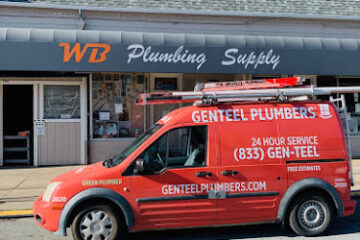
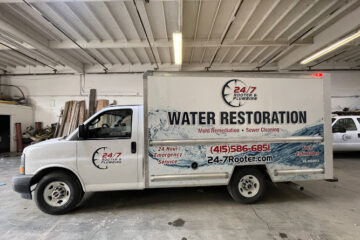
The labor shortage has unleashed an ARMY of half-trained hacks on this city. I've been behind these cowboys more times than I can count, fixing their disasters. Red flags? They show up in an unmarked van (no company name, no license number visible). They can't produce a C-36 plumbing contractor license when you ask (and you SHOULD ask - California requires it for any job over $500). They want cash only. They can't pull permits. Look, permits are annoying and they slow things down, but they exist for a reason - so your repair doesn't flood your neighbor or violate code. I've seen "plumbers" use PVC where code requires copper. I've seen them skip the P-trap on a sink drain (that trap keeps SEWER GAS out of your home - you know, methane, which is FLAMMABLE). They'll quote stupid-low prices, do half the job, then ghost you. Or worse, they'll create new problems. One guy I know hired a Craigslist plumber who cross-connected the hot and cold lines. Another had someone "fix" their water heater without installing an expansion tank or proper seismic straps - both required by code here since we're in an earthquake zone. When that heater failed six months later, the insurance company denied the claim because it wasn't installed to code.
Main Line Nightmares and What Actually Works ▼
Sewer main line issues are THE most common disaster I deal with in San Francisco. These old buildings have old sewer laterals - that's the pipe connecting your building to the city main in the street. Clay pipes from the 1930s-1960s are EVERYWHERE, and they're collapsing. Tree roots (especially those massive street trees the city loves) invade through the joints. I've pulled root balls out of sewer lines that look like something from a horror movie. First sign of trouble? Multiple drains backing up at once, or your toilet gurgling when you run the washing machine. That's a main line problem. Camera inspection runs $250-$400, and it's worth EVERY PENNY because I can see exactly what's wrong - roots, bellied pipe (sagging section that collects waste), or full collapse. Hydro-jetting clears roots and buildup with high-pressure water ($650-$1,200), but it's temporary if you've got major root intrusion. They'll be back in 1-3 years. The permanent fix? Trenchless pipe lining ($4,000-$8,000) or full replacement if it's collapsed ($8,000-$20,000 depending on depth and access). Yeah, it's expensive. It's also your responsibility as the property owner - the city lateral is on you until it hits the public main.
Water Heaters, Tankless Dreams, and Permit Hell ▼
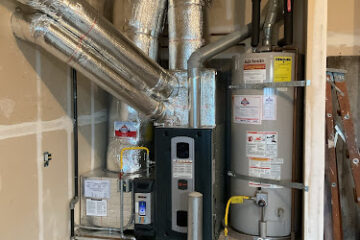
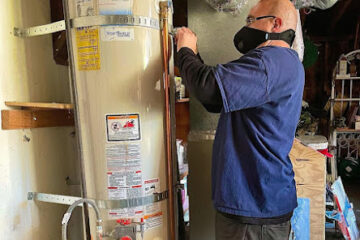
Every third call I get is about water heaters. The tank-style units last about 8-12 years here (salt air and hard water accelerate failure). When they go, they GO - I've walked into basements with four inches of water because the tank let loose. Replacement cost for a standard 40-50 gallon tank: $2,200-$3,800 installed with permit. Tankless water heaters are all the rage now (endless hot water, space savings, energy efficiency), but here's what the salesy types won't tell you: installation is $3,500-$5,500 because we often need to upgrade your gas line, install new venting (they require different venting than tank units), and the units themselves cost more. Plus San Francisco requires a permit for water heater replacement - it's not optional. The permit costs $200-$300 and adds a few days because we need an inspection. I've seen people try to skip the permit (because some cowboy offered to do it cheap and "off the books"). When they go to sell their house, that unpermitted work becomes a HUGE problem. Title companies catch it, buyers walk, or you're paying to rip it out and redo it properly. Not worth it. And if you're in a multi-unit building, you might need seismic straps, expansion tanks, and proper clearances - all code requirements that actually matter when the Big One hits.
Finding a Real Pro in San Francisco (What Actually Matters) ▼
You want someone who's gonna show up, fix it right, and not destroy your bank account unnecessarily? Here's what matters. Verify their C-36 license on the CSLB website (Contractors State License Board - takes 30 seconds). Check how long they've been licensed - you want someone with at least 5+ years in business. Read reviews, but read the BAD ones carefully (anyone can get a few crazy customers, but if you see patterns of no-shows, price gouging, or shoddy work, run). Get three quotes for major work. They should be within 20-30% of each other - if someone's half the price of everyone else, that's a red flag, not a bargain. Ask if they're pulling permits (for water heaters, sewer work, major repiping - they should say yes). I've been doing this 25 years in San Francisco. I've worked through the Loma Prieta aftermath, the dot-com boom, the 2008 crash, the tech boom 2.0, and the pandemic. The plumbers who lasted are the ones who do it right. We might cost more upfront, but we're not coming back to fix our own screwups (which costs you double in the end). And for the love of god, don't wait until the emergency hits to find a plumber - establish a relationship with someone NOW, before you're ankle-deep in sewage at midnight. That's when you make desperate, expensive decisions.
New York
Los Angeles
Chicago
Houston
Phoenix
Philadelphia
San Antonio
San Diego
Dallas
San Jose
Austin
Jacksonville
Fort Worth
San Francisco
Seattle
Denver
Washington
Oklahoma City
El Paso
Boston
Las Vegas
Detroit
Louisville
Portland
Memphis
Baltimore
Milwaukee
Albuquerque
Tucson
Fresno
Sacramento
Mesa
Atlanta
Kansas City
Colorado Springs
Raleigh
Miami
Omaha
Long Beach
Virginia Beach
Oakland
Minneapolis
Tampa
Orlando
Charlotte
Indianapolis
Columbus
Nashville